Essential Home Repair Fundamentals for Every Homeowner: Basic Home Repair Tips
Owning a home means taking responsibility for its upkeep. Repairs are inevitable, but knowing the basics can save time, money, and stress. I have learned that mastering essential home repair fundamentals empowers me to maintain my property confidently. This guide covers practical advice for common repairs, focusing on kitchen and bathroom remodeling, plumbing fixes, exterior renovations, and siding maintenance.
Basic Home Repair Tips to Keep Your Home in Top Shape
Understanding basic home repair tips is crucial for any homeowner. Start with the essentials: tools, safety, and routine inspections. A well-stocked toolbox should include a hammer, screwdrivers, pliers, a tape measure, a level, and a utility knife. Safety gear like gloves, goggles, and a dust mask protects you during projects.
Regular inspections help catch problems early. Check for leaks under sinks, cracks in walls, and signs of water damage around windows. Inspect your siding and roof for wear or damage. Early detection prevents costly repairs later.
When tackling repairs, follow these steps:
Identify the problem clearly.
Gather the right tools and materials.
Follow manufacturer instructions or trusted guides.
Work methodically and safely.
Test the repair thoroughly before finishing.
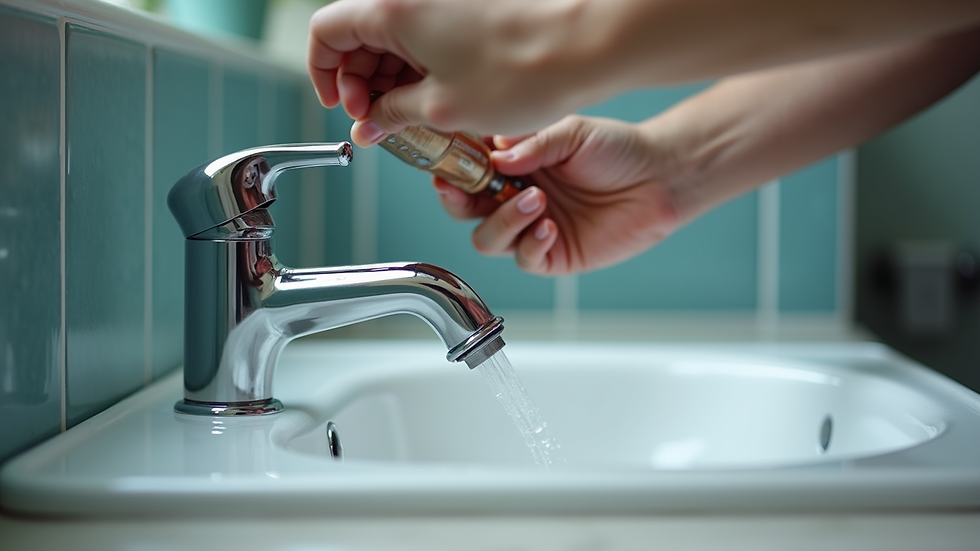
For example, when fixing a leaky faucet, turn off the water supply first. Disassemble the faucet carefully, replace worn washers or seals, then reassemble and test for leaks. This approach applies to many small repairs.

Kitchen and Bathroom Remodeling: Key Repair Fundamentals
Kitchen and bathroom remodels often involve plumbing, cabinetry, and surface repairs. These rooms require special attention due to moisture and frequent use.
Start by inspecting plumbing fixtures for leaks or corrosion. Replace old pipes or fittings with modern materials like PEX or copper. When installing new cabinets, ensure they are level and securely anchored to studs. Use waterproof sealants around sinks and tubs to prevent water damage.
Tile repairs are common in these areas. Remove damaged tiles carefully, clean the surface, and apply new adhesive and grout. For countertops, minor scratches or chips can be repaired with epoxy kits designed for the material.
Electrical safety is critical. Always turn off power at the breaker before working on outlets or lighting. If you are unsure about electrical work, consult a licensed electrician.
These basic home repair tips help maintain the functionality and appearance of kitchens and bathrooms, enhancing your home's value and comfort.
What to Do When Your House Is Falling Apart and You Can't Afford to Fix It?
Sometimes, the scope of repairs can feel overwhelming, especially when finances are tight. Prioritize repairs based on safety and preventing further damage. Focus on:
Fixing leaks to avoid water damage and mold.
Securing structural issues like sagging floors or unstable stairs.
Addressing electrical hazards immediately.
Seek assistance programs or local grants that support home repairs for qualifying homeowners. Many communities offer resources for essential repairs at reduced costs or through volunteer programs.
DIY repairs can stretch your budget, but know your limits. Attempt only what you can do safely and competently. For major structural or system repairs, professional help is necessary.
Maintain a repair log to track issues and progress. This helps plan future work and budget accordingly.
Exterior Renovations and Siding Maintenance Essentials
The exterior protects your home from weather and wear. Regular maintenance extends the life of siding, paint, and roofing.
Inspect siding for cracks, warping, or loose panels. Clean surfaces annually to remove dirt and mildew. Use appropriate cleaners for vinyl, wood, or fiber cement siding. Repaint wood siding every few years to prevent rot.
Check gutters and downspouts for clogs and damage. Proper drainage prevents water from pooling near your foundation, which can cause serious problems.
Roof inspections should focus on missing or damaged shingles, flashing issues, and signs of leaks inside the attic. Replace or repair roofing materials promptly.
When repairing siding or exterior trim, use caulk to seal gaps and prevent drafts or moisture intrusion. Choose paint and sealants designed for outdoor use.
These steps protect your home’s structure and improve curb appeal.
Developing Confidence in General Home Repair
Building confidence in home repair comes with knowledge and practice. Start small and gradually take on more complex projects. Use online tutorials, workshops, and reliable guides to learn techniques.
I recommend keeping a dedicated space for tools and materials. Organization saves time and reduces frustration. When in doubt, consult professionals for advice or inspections.
Remember, maintaining your home is an ongoing process. Regular attention to repairs prevents emergencies and preserves your investment.
For more detailed guidance on general home repair, explore trusted resources and local contractor services.
Mastering these essential home repair fundamentals equips you to handle common issues confidently. Whether remodeling your kitchen or maintaining your siding, these practical tips help you protect and enhance your home effectively.


Comments